
In procurement, technologies’ true purpose is to augment human capabilities by driving workforce capable and enable to interact and work with machines flawlessly and allowing them to grow professionally and focus on more valuable work who were driving their energy in time-consuming tasks – like data classification and cleansing – Digitization has given them opportunity to shift the focus and output from tactical to strategic.
Procurement audits have now become an integral requirement for mid-sized and large organizations to bring in discipline, better control, clarity, and accountability in their procurement operations. As the volume of sourcing increases and the supplier network becomes intricate, even minor lapses in the procurement process lead to unnecessary costs, compliance issues, and day-to-day operational complications.
A structured approach towards procurement audits allows organizations to carefully determine the planning of procurement activities, execution and organization throughout the procurement cycle. It gives clarity as to whether procurement guidelines are followed, if the procurement workflows are appropriate, and where procurement challenges are hitting the performances and results.
This blog offers a complete and practical guide to procurement audit, covering its meaning, objectives, step-by-step audit process, checklist, common procurement challenges, and the role of digital procurement solutions in building audit-ready procurement operations.
What Is a Procurement Audit?
A procurement audit is simply a way to check whether a company is sourcing goods and services in the right manner. It evaluates the procurement process to make sure purchasing activities follow company rules, internal guidelines, approved policies, contracts, and legal requirements, it also evaluates whether procurement decisions are transparent, cost effective, controlled, and aligned with business goals.
A procurement audit typically reviews
Audit typically analyses how well an organization’s procurement policies, processes, and controls are followed throughout the procurement cycle. Here is the checklist:
- Procurement policies and guidelines
- Procurement workflow and approval controls
- Supplier selection and evaluation methods
- Contract compliance
- Spend control and documentation
- Risk and compliance management
The objective of a procurement audit is to improve efficiency, strengthen accountability, and minimizes financial, operational, and compliance risks across the entire procurement cycle.
Importance of Procurement Audit in an Organization
A procurement audit plays a dynamic role in supporting the overall procurement process. It ensures that procurement activities are not only compliant but also optimized for performance and value creation.
Key reasons why procurement audits are important, let understand through below mentioned points:
- Ensuring procurement guidelines follows: This audit insures day-to-day purchases by different team members must be aligned with official policies and guidelines.
- Budget spending: This will identify unapproved purchases made out of budgets and even before money can be lost.
- Transparent procurement Process: This allows all the requests, approvals, and payments to become transparent so that the team can understand who ordered what and why.
- Identifying risks involved in procurement cycle: Audits identify where there is a blockage in approval, where papers accumulate, where there is a lag, and so on.
- Operations risks reduction: The process ensures the prevention of twice settlements, incorrect invoices, or any other suspicious supplier transactions.
- Accountability to Management: Organizations that conduct audits on their procurement processes encounter less stress and are able to account for all their procurement needs to their management and other stakeholders without any hassle.
The ability of organizations to deal with procurement difficulties and assign responsibility to stakeholders can be greatly enhanced by carrying out procurement audits.
Understanding the Procurement Cycle
To conduct an effective procurement audit, it is important to understand the procurement cycle, which includes the following stages:
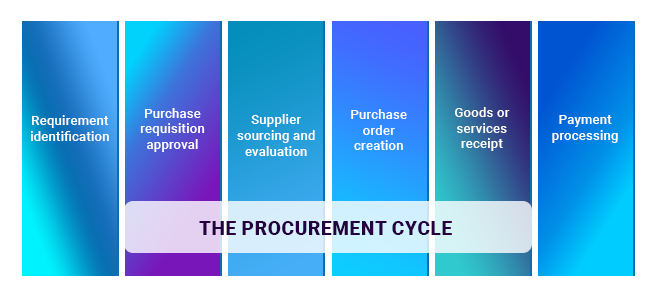
- Requirement identification
- Purchase requisition approval
- Supplier sourcing and evaluation
- Purchase order creation
- Goods or services receipt
- Invoice verification
- Payment processing
A procurement audit evaluates each stage of the procurement cycle to ensure its controls, documentation, and approvals are properly maintained.
Step-by-Step Procurement Audit Process
- Procurement Guidelines and Policies: Audit begins with a review of procurement guidelines, standard operating procedures, and approval frameworks. This ensures that procurement policies are well-defined, updated, and aligned with regulatory and organizational requirements.
- Procurement Workflow: Auditors review how procurement tasks move from start to finish to make sure every department is following the same process.
- Supplier Selection and Contracts Evaluation: It ensures that suppliers are selected fairly, contracts follow defined rules, and the organization gets the best value for its money.
- Purchase Transactions and updates: Procurement auditors check purchase requests, orders, invoices, and payments to make sure everything is correct, properly approved, and within the budget at every stage of procurement.
- Compliance and Risk Controls: At this stage, the focus is on identifying risks such as policy breaches, incorrect spending, or missing compliance checks. The controls in place are reviewed to ensure they are actually working and protecting the organization.
- Audit Documentation: At the final stage, the audit checks if procurement activities are running smoothly and not wasting time or money. It also confirms that all records are properly maintained, accurate, and easy to access whenever there is a need for future audits or compliance checks.
A Quick Procurement Audit Checklist
| Type | Description |
| Policy & Governance | This Audit ensures documented policies, approval limits, and employee awareness. |
| Strategic Procurement Planning | This aligns procurement requests with suggested budgets and business goals. |
| Supplier Selection & Evaluation | It verifies supplier credibility, performance and compliance standards. |
| Contract Compliance | Monitor contract terms, validity, and amendments for the compliance. |
| Purchase Order Accuracy | Its confirms POs match approved requisitions and terms. |
| Goods & Services Verification | This validates deliveries/services against purchase orders. |
| Invoice & Payment Controls | Ensure accurate invoice matching and timely payments with good receipts. |
| Spend Control & Budget Tracking | This tracks spending against approved budgets and detect exceptions. |
Top Procurement Challenges Uncovered During Audits
- Inconsistent Procurement Policies: Businesses have their own procurement policies that are either outdated or inconsistently applied. This can lead to unauthorized purchases, policy violations, and lack of accountability. Audits often reveal gaps in policy enforcement and the need for clear, updated guidelines.
- Disorganized Requisition & Approval Workflows: Manual approval workflows slow down procurement cycles and increase the risk of errors. Audits often show blockages where requisitions get approved without proper checks, this lead to compliance risks and budget overruns.
- Week Supplier Evaluation: Without proper supplier assessment, organizations may work with unreliable vendors, which leads to quality issues, delayed deliveries or financial exposure. Audits highlight gaps in supplier qualification, performance monitoring and risk management.
- Contract Compliance Issues: Contracts are the backbone of procurement agreements, but many organizations fail to monitor adherence to contract terms. Audits often uncover missed contract renewals, untracked terms, or non-compliance, exposing the company to financial or legal risks.
- Purchase Order Errors: Errors in each process of PO can result in overpayments, duplicate orders, or procurement delays. Audits identify discrepancies between POs, invoices, and deliveries, pointing to inefficiencies that need correction.
- Inaccurate Goods & Services Verification: Receiving the wrong quantity, poor-quality products, or incomplete deliveries can disrupt operations. Audits often show insufficient checks during goods receipt, leading to mismatched invoices and payment disputes.
- Payment Control Problems: Failure to properly match invoices with POs and receipts can result in overpayments, late payments, or fraud. Audits reveal inconsistencies in invoice verification, delayed payments, or weak approval controls.
- Regulatory Compliance Failure: Organizations often miss procurement risks or compliance requirements, and audits highlight gaps that could lead to penalties or operational issues.
How Digital Procurement Solutions Ensure Audit-Ready Procurement
Modern procurement departments are growingly relying on e-procurement systems to enhance audit trails. An integrated procurement system ensures that procurement processes are standardized, transparent, and traceable.
Key advantages:
- Automated approvals that comply with procurement guidelines
- Centralized procurement data
- Real-time visibility into process
- Built-in compliance checks and audit trails
- Enhancements in risk management throughout the procurement cycle
Why Industries Needs regular Procurement Audits?
Alright, so let’s try to understand why purchase audits are beyond being a matter of compliance, a tool that can ensure efficiency, transparency, and optimized costs for your procurement process. Every organization, regardless of its size, makes infinitely many purchase decisions, most of which may be going wrong if there is a lack of purchase audits.
Why Conducting a Procurement Audit Is Crucial for Your Business?
Conducting a procurement audit is like performing a health check-up for your procurement ecosystem. It helps your business stay compliant, costs savings, minimize risks and make smoother procurement decisions, ultimately turning your procurement function into a strategic advantage rather than just a transactional process.
One of the primary reasons a procurement audit is crucial is procurement compliance. It ensures that all procurement activities follow approved policies, authorization limits, and regulatory standards, reducing the risk of non-compliance, penalties, or reputational damage.
A procurement audit also plays a key role in cost control and procurement efficiency. By closely analyzing purchasing data, approvals, contracts, and supplier pricing, organizations can identify cost leakages, duplicate purchases, and inefficiencies within the procurement cycle. This enables better spend management and optimized procurement strategies.
Another benefit of a audit is risk management. Audits also help identify procurement risks such as unauthorized spending, weak supplier controls, contract deviations, and inadequate documentation. Addressing these risks strengthens supplier governance and reduces exposure to fraud and operational disruptions.
Procurement audits also enhance transparency and accountability. A clear audit trail of procurement transactions—covering requisitions, purchase orders, invoices, and payments—ensures visibility into who approved what, when, and why. This transparency supports better decision-making and strengthens trust among stakeholders.
Finally, regular procurement audits help organizations remain audit-ready. By maintaining structured procurement workflows, documented processes, and accurate records, businesses can respond confidently to internal reviews, external audits, and regulatory inspections without last-minute stress.
Procurement Audit Best Practices Every Organization Should Follow
A procurement audit isn’t just about paperwork—it’s about making sure every rupee spent is approved, visible, and justified. When done right, it protects the organization from waste, risk, and surprises, while building strong financial discipline and trust.
Procurement Audit Best Practices That Actually Work
- Set Rules Before Purchase: Well-defined procurement policies remove confusion and make it easier for teams to follow the right process every time.
- Keep Digital Records: From request to payment, every step should be documented so nothing gets missed during an audit.
- Avoid One-Person Control: Splitting responsibilities reduces mistakes and prevents misuse of authority.
- Visible and Traceable Approvals: Every purchase should show who approved it, when, and why, no gaps.
- Analysis Suppliers: Audits should also check if suppliers are meeting contract terms and delivering value.
- Standardize Procurement: Standard processes reduce confusion and make audits faster and smoother.
- Use Digital Tools to Stay Audit-Ready: Automation ensures accuracy, transparency, and instant audit tracks.
How C1 Supports Procurement Audit and Compliance
Key modules that support procurement audits include:
- Supplier Management for supplier onboarding and compliance checks.
- Purchase Requisition and Approval Workflow for organized spending.
- Tender and Auction Management for transparent sourcing.
- Purchase Order Management for accurate execution.
- Invoice Management for three-way matching and payment accuracy.
- Reporting and Analytics for audit trails and procurement insights.
By digitizing the procurement workflow, C1 enables organizations to reduce procurement challenges, strengthen governance, and simplify procurement audits.
Conclusion
Every well-structured procurement audit approach is not an option, but it is important for organizations struggling for better purchasing governance, risk management and compliance. An effective procurement audits assist in identifying inefficiencies.
When the planning for the audit becomes possible with eProcurement systems, organizations are then provided with quicker insights into their procure-to-pay cycles. This allows for better control and enhanced review processes and further enables organizations to make informed decisions. In the long run, the procurement audit becomes a function to enable efficiency and value in the organization.